Artist Statement
PhotographMeaning
Quietly, patiently — for how the world feels.
When I began this course, I thought photography was simple — point, frame, capture something pretty. A landscape. A face. A moment that looked nice enough to keep. I understand now how small that idea was. Photography, I've learned, is not about what looks good. It is about what means something — and the difference between the two has quietly rewritten how I see.
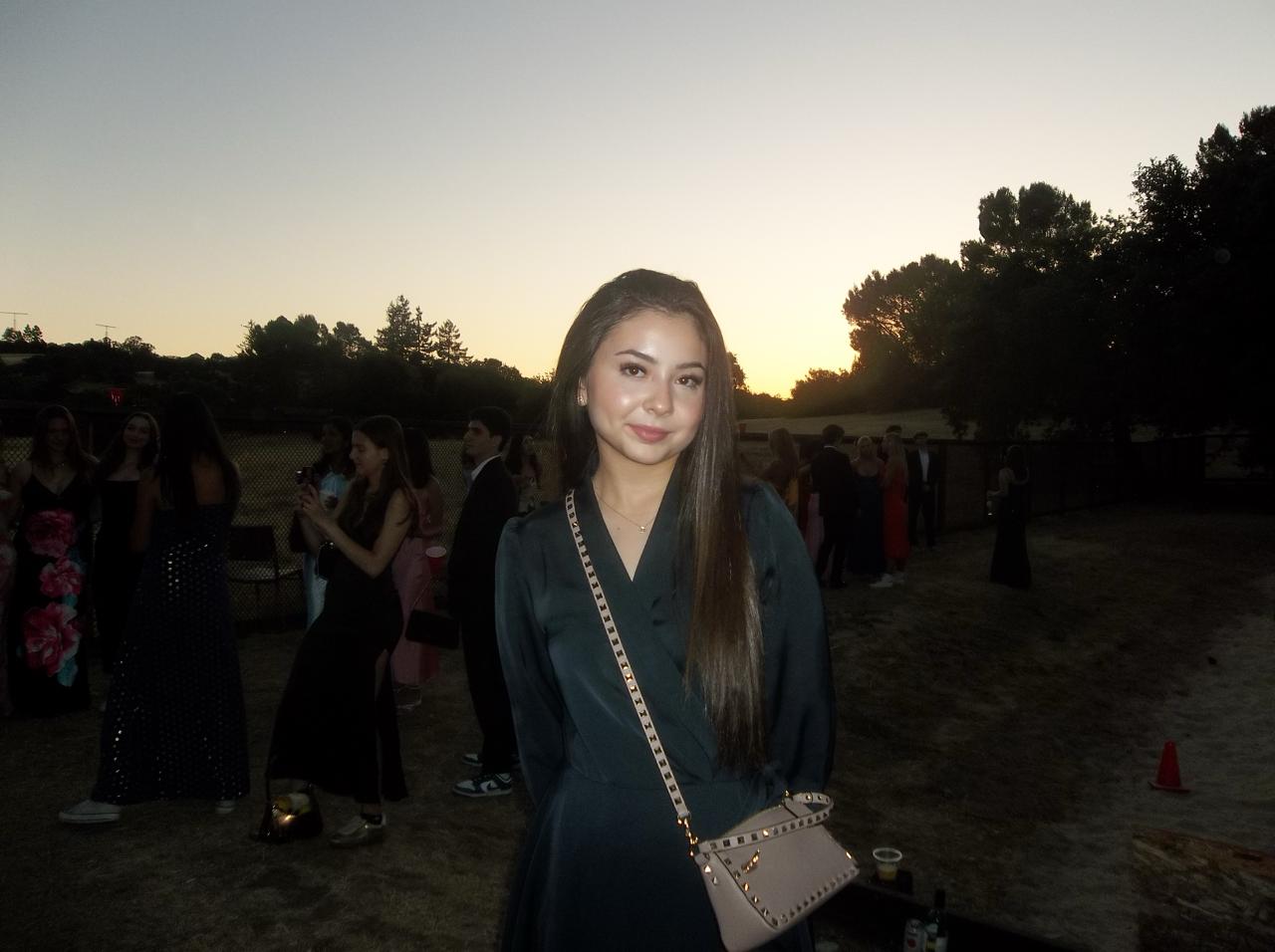
Nilda Ata
Artist Statement
When I began this course, I thought photography was simple — point, frame, capture something pretty. A landscape. A face. A moment that looked nice enough to keep. I understand now how small that idea was. Photography, I've learned, is not about what looks good. It is about what means something — and the difference between the two has quietly rewritten how I see.
That shift didn't happen in one project. It built, frame by frame, across the semester. Studying Steve McCurry's Afghan Girl was the first crack in my old thinking — a single portrait that held an entire history in a gaze, and I realized a photograph could carry weight far beyond its subject. From there, my own work began reaching for that same kind of depth. In my alphabet composition built around the word HARMONY, I stopped treating letters as shapes to find in the world and started treating them as ideas to construct — balance, repetition, tension, resolution — visual language doing the work that sentences usually do. In my Weathered by the Sea triptych, I learned to let a story unfold across three frames instead of one, using erosion, texture, and light to suggest time passing rather than simply describing it. And through studying Pictorialism, I found permission to let a photograph feel handmade, atmospheric, even imperfect — proof that clarity isn't always the goal, and that mood can be its own kind of truth.
My creative process has evolved just as much as my eye has. I used to shoot first and think later, hoping something usable would emerge from a memory card of near-misses. Now I begin with a question rather than a subject: what am I actually trying to say, and what visual choice — light, framing, texture, sequence — will say it best? Only then do I raise the camera. Editing has become part of that same conversation, not a fix applied afterward but a continuation of the same intention I started with. I revise the way a writer revises: cutting what doesn't serve the idea, sharpening what does.
If there is one thing this course has taught me, it's that a camera is not a tool for recording the world as it already appears. It's a tool for arguing — quietly, patiently — for how the world feels. I no longer photograph things. I photograph meaning, and let the thing itself be the vessel that carries it.
Selected Work
Photographs Made
A growing set of frames — each one an argument for how a moment feels.
Curtain of Leaves
Bougainvillea blossoms and trailing green catch the last light over a garden, a wind chime suspended in the shadowed foreground.
Vessel, Retired
A weathered rowboat, paint peeling to bare wood, rests abandoned on the shore as waves break behind it.
After Hours
Straw beach umbrellas frame a row of empty lounge chairs as the sky fades to dusk.
Still Life, Domestic
A lamp, a ceramic vase, and small figurines share a quiet corner of a room, warmly lit.
Wounded, Standing
A broken branch, stripped of bark, leans against the trunk it once grew from.
Reaching Through
Twin lamp posts arch upward through a tangle of leaves and sky.
Last Light in the Pines
Pine branches catch the gold of late afternoon sun against a pale sky.
Quiet Tide
Pastel clouds hang over a calm sea at the close of day.
Dusk on the Shore
Figures linger at the water's edge as blue hour settles over the beach and a distant pier.
Where the Water Leaves Its Stones
Sea foam recedes across wet sand, leaving a scatter of small, colorful pebbles behind.